 Subscribe by RSS
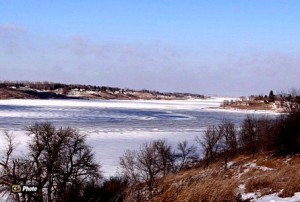
Jamestown (CSi) Stutsman County Sheriff Chad Kaiser is informing residents that all recreation activities on the reservoirs will be prohibited once ice has formed.
The U.S. Army Corps of Engineers, and the Bureau of Reclamation is notifying the public of the anticipated conditions on the Pipestem and Jamestown Reservoirs this winter.
Kaiser said in the news release, “Changing water elevations and increased water releases throughout the winter will create dangerous areas and changing ice conditions without warning,” Sheriff Kaiser says. “Fluctuating water levels beneath the ice on the Reservoirs will leave large voids between the ice and the water surface creating hazardous ice conditions.”
The Stutsman County Sheriff’s Office advises access to the Reservoirs will be restricted and recreational activities will be prohibited due to the anticipated dangerous ice conditions.
“I am urging everyone to adhere to this restriction as immediate rescue operations in these ice conditions will be nearly impossible.This also puts our rescue personnel in an extremely dangerous situation.”
Previously…
Omaha (USACE) – The U.S. Army Corps of Engineers-Omaha District and The Bureau of Reclamation are notifying the public of the expected hazardous and constantly unstable winter ice condition on Pipestem Reservoir and Jamestown Reservoir in the coming winter months.
Changing water elevations and increased water releases throughout the winter will create dangerous areas of thin ice creating unsafe conditions for individuals recreating on Pipestem Reservoir and Jamestown Reservoir. These fluctuating water elevations change ice conditions without prior warning.
Due to unseasonably wet conditions, water releases will be made from both the Pipestem Dam and Jamestown Dam throughout the winter. Once the Reservoirs have iced-over, the ongoing water releases from the dams will create a fluctuation in Reservoir levels. Fluctuating water levels beneath the ice on the Reservoirs will leave large voids between the ice and the water surface creating extremely dangerous ice conditions.













Comments are closed
Sorry, but you cannot leave a comment for this post.